
Over the last century, firefighter unions in British Columbia have evolved from small city-specific groups into a powerful provincial organization, achieving landmark victories in labour rights, occupational health, and community service.



Foundational Milestones
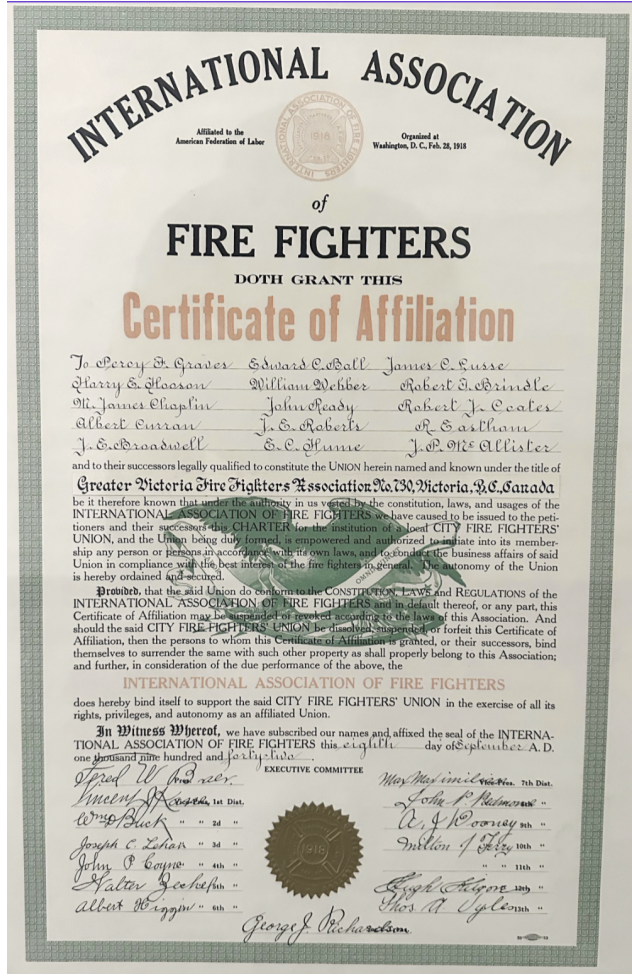
International Trailblazer (1918): On February 28, 1918, Vancouver Local 18 became the first Canadian local and a founding member of the International Association of Fire Fighters (IAFF).
Provincial Organization (1924): The predecessor to the BCPFFA, the BC Provincial Association of Fire Fighters (BCPAFF), was organized on September 15, 1924.
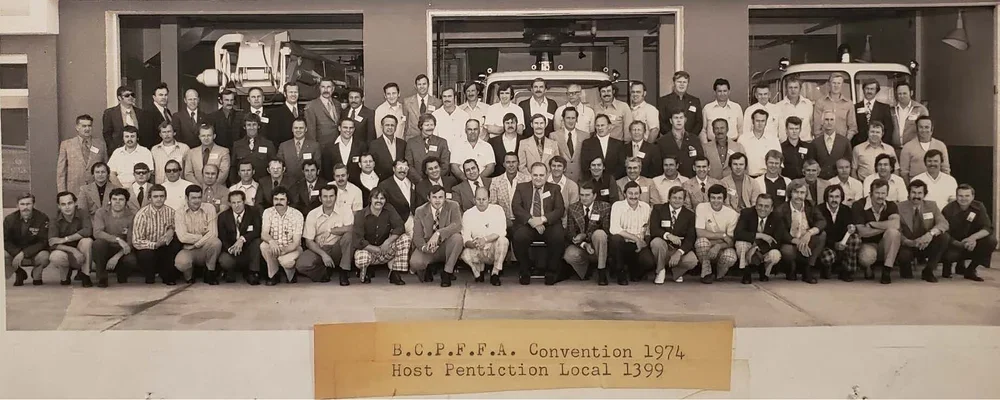
Modern Identity (1964): Through convention action, the organization officially adopted the name British Columbia Professional Fire Fighters Association (BCPFFA).
Preserving Solidarity (1990s): BC locals led a successful campaign to defeat a breakaway attempt by the Canadian Association of Fire Fighters (CAFF), guaranteeing the IAFF’s continued legitimacy and affiliation with the Canadian Labour Congress.
Legislative and Labour Victories
The Two-Platoon Act (1923): Firefighters successfully lobbied for the Two-Platoon Act and the Hours of Work Act, establishing safeguards against excessive working hours.
Work Week Reductions: Through decades of advocacy, the standard work week was reduced from 60 hours (1936) to 48 hours (1946), and finally to 42 hours (1964).
Binding Arbitration (1995): The BCPFFA successfully campaigned for Bill 35, the Fire and Police Services Collective Bargaining Act, which restored the vital right to binding interest arbitration.
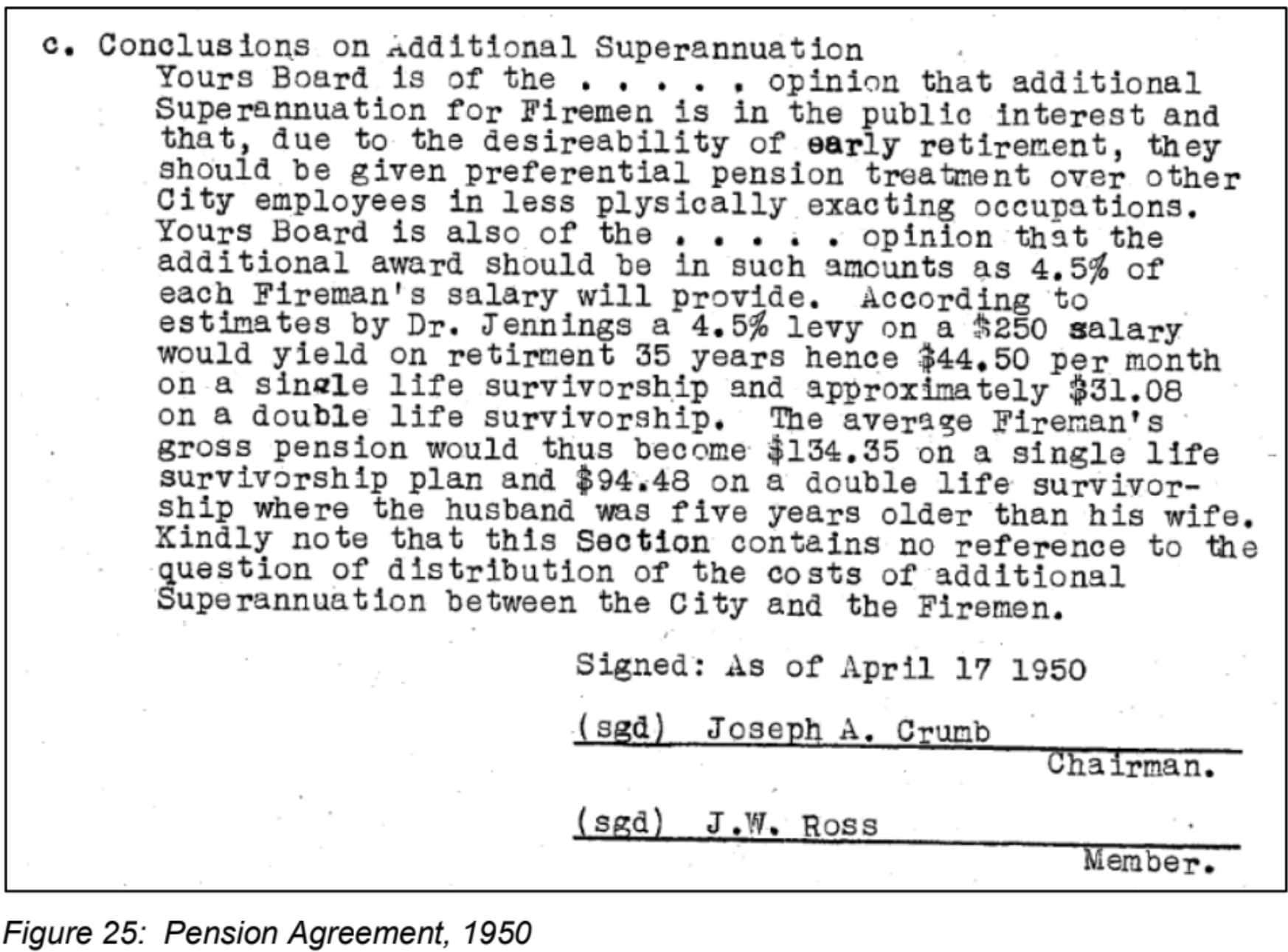
Pension Advancements: A 1950 "Special Agreement" established preferential pension treatment for firefighters. In 1950 Local 18 arbitrated their collective agreement that year including the issue of pensions, specifically an argument for a supplemental pension related to their requirement to retire at the age of 60. The matter was heard over a number of days in March and April and the Chair of the Board was Joseph A Crumb
The evolution of Group 5 pension transition (2010). The BCPFFA negotiated a transition within the Municipal Pension Plan to Group 5, an accrual rate of 2.33% is based on your best 5 years, an improvement where a full 70% pension is achievable before age 60. The BCPFFA become the plan sponsor of the Supplemental Pension Pay Allowance (SPPA) to assist with post employment Extended Health Benefits Premiums that members can access upon retirement.
Health, Safety, and Cancer Presumption
Cancer Presumption Pioneer (1993–2005): Following landmark 1993 WCB wins for members with cancer, the BCPFFA achieved the 2005 passage of legislation granting presumptive coverage for initial primary cancers. The first reading of the Worker's Compensation Amendment Act, that recognized 8 cancers as occupational diseases for fire fighters {Brain, Bladder, Colorectal, Kidney, Ureter, Primary non-Hodgkin's Lymphoma, and primary leukaemia, Testicular}. Expanded Protections: Coverage has since grown to include 2008 Lung cancer;
2011 Esophageal cancer;
2014 Heart Disease;
2017 Breast, Prostate, Myeloma;
2018 Occupational Stress Injuries;
2021 Whitehorse, YK became the first Canadian local to achieve presumption for pancreatic cancer.
2022 Cervical, Ovarian, Penile, Pancreatic, Thyroid and reductions in accumulative periods in Testicular, Colorectal, Esophageal
Eight Cancers added (2026): Skin Cancer, Soft Tissue Sarcoma, Mesothelioma (National Alignments)Tracheal, Bronchial, Laryngeal, Nose and Pharyngeal (Respiratory System). In addition to these new listings, the minimum service-year requirement for esophageal cancer has been successfully reduced from 20 years to 15 years.
Firefighters’ Health Act (2026): The passage of Bill M214 mandated a comprehensive cancer and mental health screening plan and established health equity for wildfire crews.
Political Influence and Scope of Practice
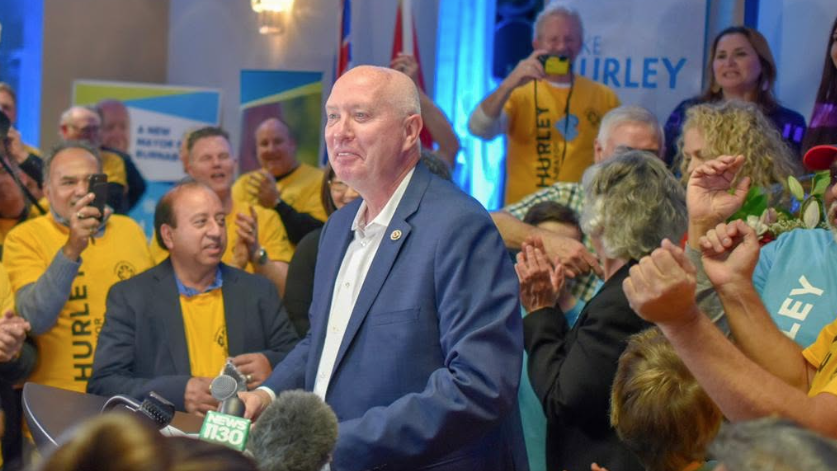
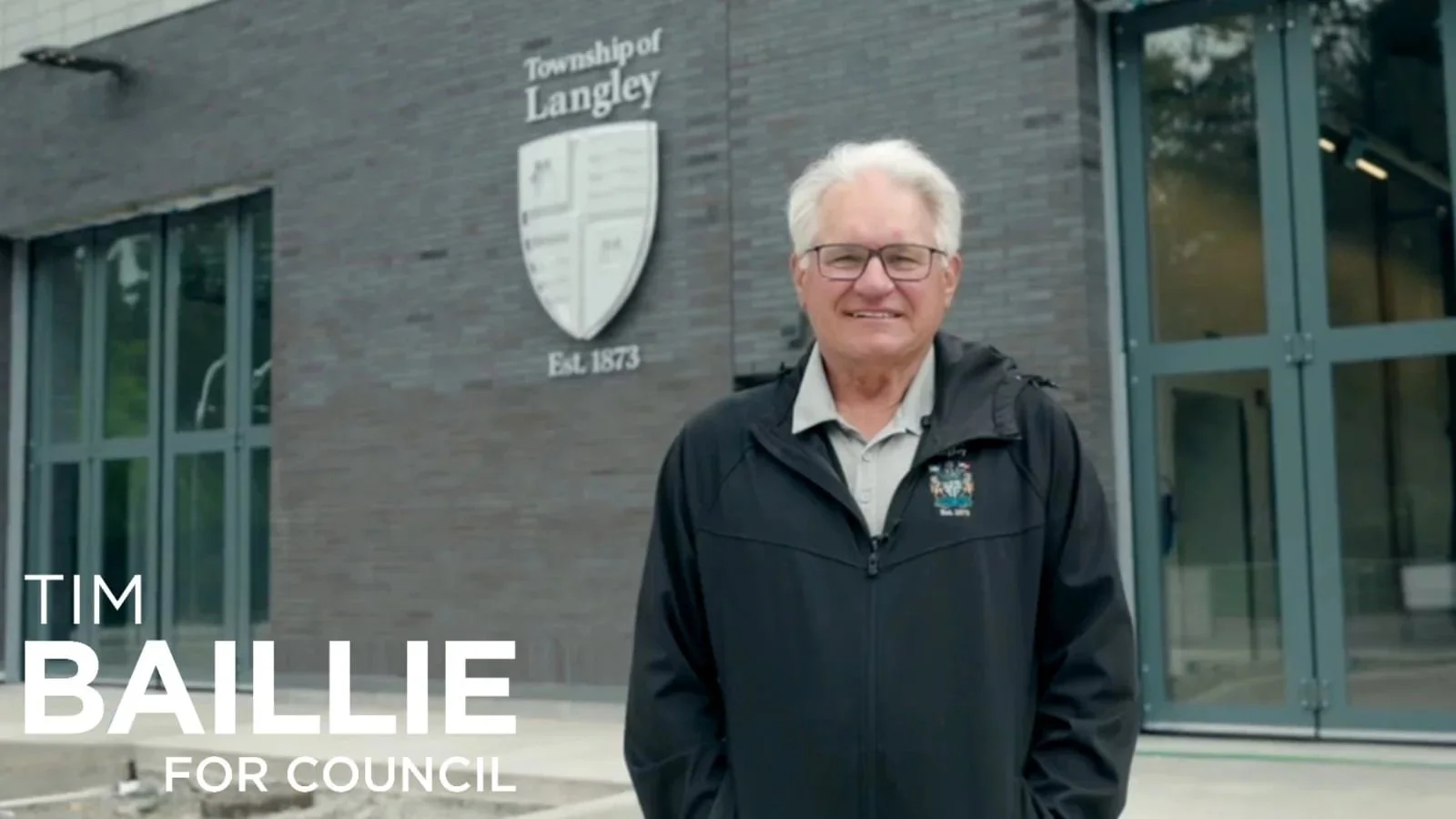

Firefighters in Government: Members have achieved high-level political roles, including both Bill Copeland and BCPFFA President Emeritus Mike Hurley as Mayors of Burnaby, Emeritus Vice President Tim Baillie to Township of Langley Council, and BCPFFA Honourary Mike Starchuk, former Surrey Councillor 2014, who in 2020 became the first firefighter elected as an MLA to the BC Legislature.
Expanded Scope of Practice (2021): The association successfully lobbied to expand the medical care firefighters can provide, including diagnostic testing and administering life-saving medications like epinephrine.
Community Service and the Burn Fund
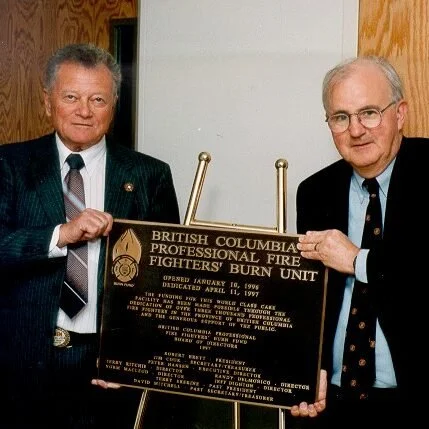
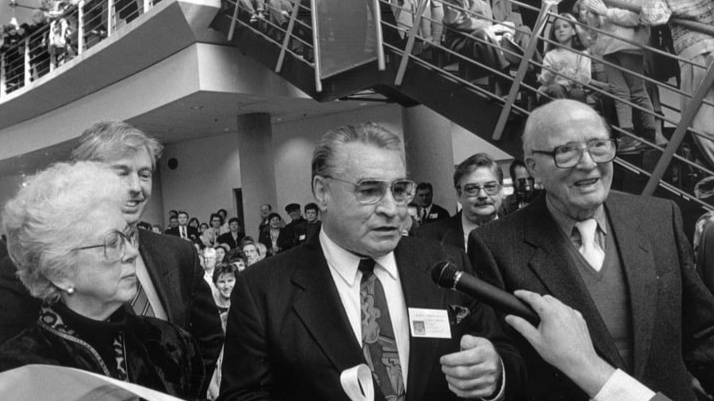
Captain Alex Blake and Dr. Charles Snelling

Burn Fund Foundation (1978): Captain Alex Blake and Dr. Charles Snelling established the BC Professional Fire Fighters’ Burn Fund to support burn care and research.
Burn Survivor Programs: The fund launched the first Burn Survivor Summer Camp in BC in 1994 and the "Future Is Mine" adult survivor program in 2007. Since then Little Lion Hearts for families, THRIVE for early adulthood connections have been providing support, enriching the lives of burn survivors.
The Burn Fund Centre (2016): A $13.1 million vision was realized with the opening of a purpose-built facility in Vancouver, providing accommodation for survivors and their families during treatment at nearby VGH and BC Childrens’ Hospital
Silver Star Properties Acquisition for Burn Survivor Thrive and Fire Fighters Wellness Program.
$28M+ Valuation
$15M: Burn Fund Centre
$3.0M: Silver Star Properties (for Program Delivery)
$10M: “Legacy Fund” (producing 5% annuity in perpetuity)
$2.0M: Annuity from other Investments covering Operational expenses
$2.5M+: Annual operational budget for programs and services